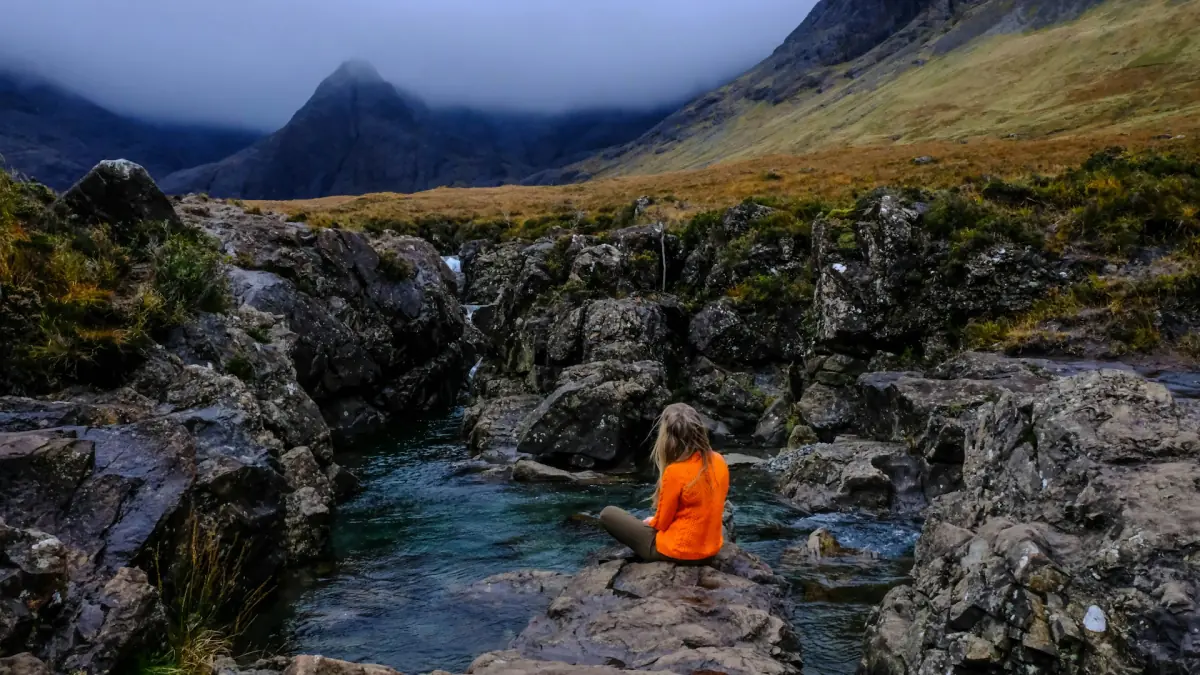
Fairy Pools swimming access and local warning signs
For Fairy Pools swimming, read the warning signs in Glen Brittle and assess the water before deciding whether to get in. The Scottish Outdoor Access Code sets out responsibilities for access to rivers and lochs. Keep the water clean, avoid disturbing wildlife and respect other people using the area. Take any litter back with you.
At the Fairy Pools, make the decision at the water's edge with enough time to look at the current and the way out. If a sign warns against access, the water is moving fast or the way back to firm ground looks uncertain, stay on the path. A visit to the waterfalls can be planned around that walk from the start, especially if recent rain makes the water a concern.
A 12.5-hour guided day trip from 15 Union Street in Inverness visits the Fairy Pools on land. It includes return transport in an air-conditioned midi-coach and a local guide. Lunch and admission to Dunvegan Castle are extra. For a visit on your own, use the directions to the Glen Brittle car park and pick a turnaround point on the waterfall walk.
Visit the pools on land
This guided trip offers a land visit to the Fairy Pools without promising a swimming activity.
Hand-picked tours, booked through GetYourGuide. Prices are indicative starting prices in British pounds (as of November 2026). Tap a tour for live availability and the current price in your currency.

Visit the Fairy Pools on land
Take a guided day trip from Inverness for a visit to the rocky pools and waterfalls from the banks in Glen Brittle.
Cold water shock and fast currents after rain
At the Fairy Pools, cold water and faster flow after heavy rain are reasons to stay ashore. Water at 15 °C or below can cause cold water shock, affecting breathing and movement. This is a general threshold for open water. On Skye, even a mild summer day can coincide with very cold water.
Check recent rain as well as the weather during your visit to the Fairy Pools. A dry spell while you are standing at a pool gives you little information about the flow after rain upstream. Use the Fairy Pools weather guide to plan the visit, then assess the current from land. If you have a choice of visit dates, leave room to move your plans after heavy rain.

Slippery banks, water quality and getting back out
At the Fairy Pools, choose a secure place to enter and exit before stepping into the water. Rocks, grass and mud can be slippery or unstable. Enter slowly, keep the exit in sight and avoid jumping or diving in. If getting back onto firm ground looks difficult from the bank, stay on land.
Clear water at the Fairy Pools tells you little about whether it is suitable for bathing or drinking. Algae, bacteria and viruses can be present in open water. Stay out if the water looks or smells unusual. Treat the appearance of the water and the condition of the banks as separate things to assess.
Emergency calls and an alternative on land
For an emergency at the Fairy Pools, call 999 or 112, ask for the police and give your exact location. In the hills or away from the road, ask for Mountain Rescue. If you decide to keep the visit on land, follow the waterfall path and turn back if floodwater or warning signs affect the route.
Fairy Pools swimming questions
How cold does water have to be to cause cold shock?
15 °C or below is the general threshold for cold water shock. The figure describes the risk in open water and is not a temperature reading for the Fairy Pools. Cold water can disrupt breathing and movement, so judge conditions at the water rather than by how warm the day feels.
Can I judge water quality by how clear a pool looks?
No. At the Fairy Pools, clear water is a poor guide to bathing or drinking quality. Open water can contain bacteria, viruses or algae. Pay attention to local signs and avoid going into water that has an unusual appearance or smell.
Who should I call for help at the pools?
999 or 112 connects you to emergency services for an incident at the Fairy Pools. Ask for the police, give your exact location and say how many people are injured and what condition they are in. For an emergency out on the terrain, ask for Mountain Rescue.